Libraries Pay Now: The Checkout-Based Income Stream Most Indies Keep Ignoring
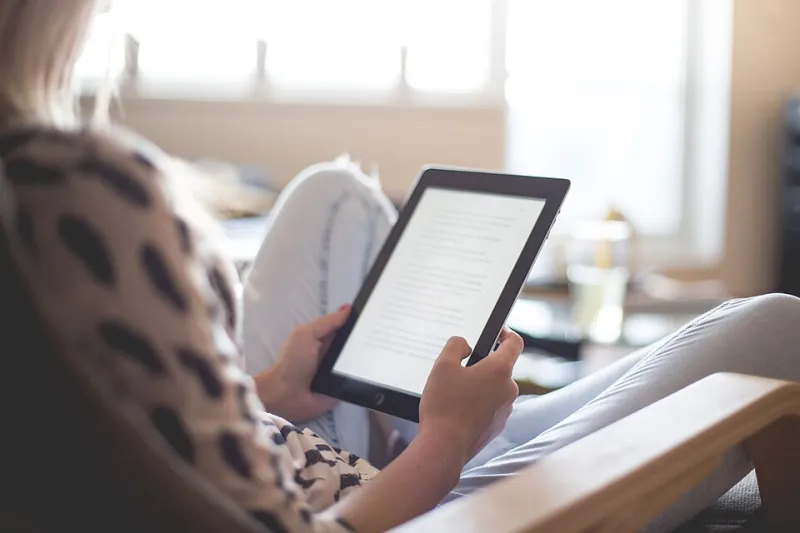
Photo: picjumbo.com, CC0, via Wikimedia Commons
Ask a room full of indie authors why they skip library distribution and you'll hear the same dusty answer: "Libraries don't pay." It's a line that made sense in 2012, when library ebooks felt like charity work. It makes no sense now.
Today, digital library platforms pay royalties per checkout. Public library systems across the US have been expanding their digital collections budgets for a decade, and readers discovered Libby during the pandemic and never left. If your book isn't in that pipeline, you're not avoiding a money-loser—you're opting out of a revenue channel your competitors are quietly working.
The Platforms, Decoded
Three names dominate US library digital lending, and they don't all work the same way.
OverDrive (and its consumer app, Libby) is the giant. Most major US systems—the New York Public Library, Chicago Public, your county system in Ohio—license through OverDrive. For indie authors, the realistic entry point is having your ebook or audiobook available through a distributor like Draft2Digital or Findaway Voices, which can push titles into OverDrive's catalog.
Hoopla runs on a different model entirely. Instead of libraries purchasing individual copies, Hoopla lets patrons borrow anything in the catalog and the library pays per transaction. For authors, that means every single checkout generates a royalty from day one—no waiting for a librarian to notice you.
Baker & Taylor's Palace and smaller aggregators round out the picture, though most indies will get 90% of their library reach through the first two.
What a Checkout Is Actually Worth
Let's talk numbers, because vague enthusiasm doesn't pay bills.
Under the standard OverDrive model, a library buys a copy of your ebook—often at a markup over the consumer price, sometimes 2–3x for the one-copy license—and you earn your distributor's standard royalty on that sale. A $4.99 ebook sold to a library at $14.99 can mean significantly more money per transaction than a consumer sale.
Hoopla's cost-per-checkout model typically pays authors a small flat royalty per borrow—think tens of cents to a few dollars depending on format, with audiobooks outperforming ebooks. Individually, that's pocket change. Stacked across hundreds of library systems? It compounds.
The authors doing real volume here aren't getting rich off one library. They're in 200 systems, with audiobooks, in genres librarians actively buy: mystery, romance, cozy fantasy, thriller. Six-figure library income exists in indie publishing, but it lives at the intersection of catalog depth and genre demand—not with a single standalone title.
The Audiobook Multiplier
If you take one practical step from this article, make it this: library audiobooks outearn library ebooks for most indies.
Audiobook waitlists at US libraries are notoriously long, so librarians buy aggressively to meet demand. A narrated title distributed through Findaway (now part of Spotify's ecosystem) can land in Hoopla and OverDrive audio catalogs simultaneously. Narration costs money up front—but if you've been on the fence about audio, library distribution is the argument that tips the math.
Why Library Readers Become Buyers
Here's the part nobody markets: library readers are readers, not freeloaders.
The behavior pattern is well documented anecdotally among indies who track their data—a reader discovers book one through Libby, binges it, then buys book two outright because the waitlist is three months long. Series authors see this constantly. Library placement functions as the world's most trusted discovery engine, sitting right next to books from traditionally published names, which lends your indie title a credibility boost no ad can buy.
There's also a visibility bonus: library patrons leave reviews, join Facebook reader groups, and show up at author events at their local branch. A library checkout is a handshake, not a lost sale.
How to Actually Get In
No gatekeeping mystery here—just a checklist:
- Get wide. If you're exclusive to Kindle Unlimited, you're locked out of library distribution entirely. This is one of the most concrete costs of KU exclusivity.
- Distribute through an aggregator. Draft2Digital handles ebook library delivery; Findaway Voices covers audio. Check the library distribution boxes during setup.
- Price for library sales. Librarians pay institutional rates. Don't undercut yourself.
- Make your series complete. Librarians buy series that are finished or actively progressing. A dangling book one is a hard sell.
- Consider a library-focused pitch. Some indies email collection development teams directly with their series info, reviews, and comparable titles. Response rates are modest, but it costs nothing but a stamp.
The Bottom Line
Library distribution won't replace Amazon for most indies, and it shouldn't be your only channel. But "libraries don't pay" is a myth that's been costing authors real money for over a decade. The platforms pay per checkout, the budgets are growing, and the readers are loyal.
You spent months writing the book. Don't let a rumor from 2012 decide where it sells.